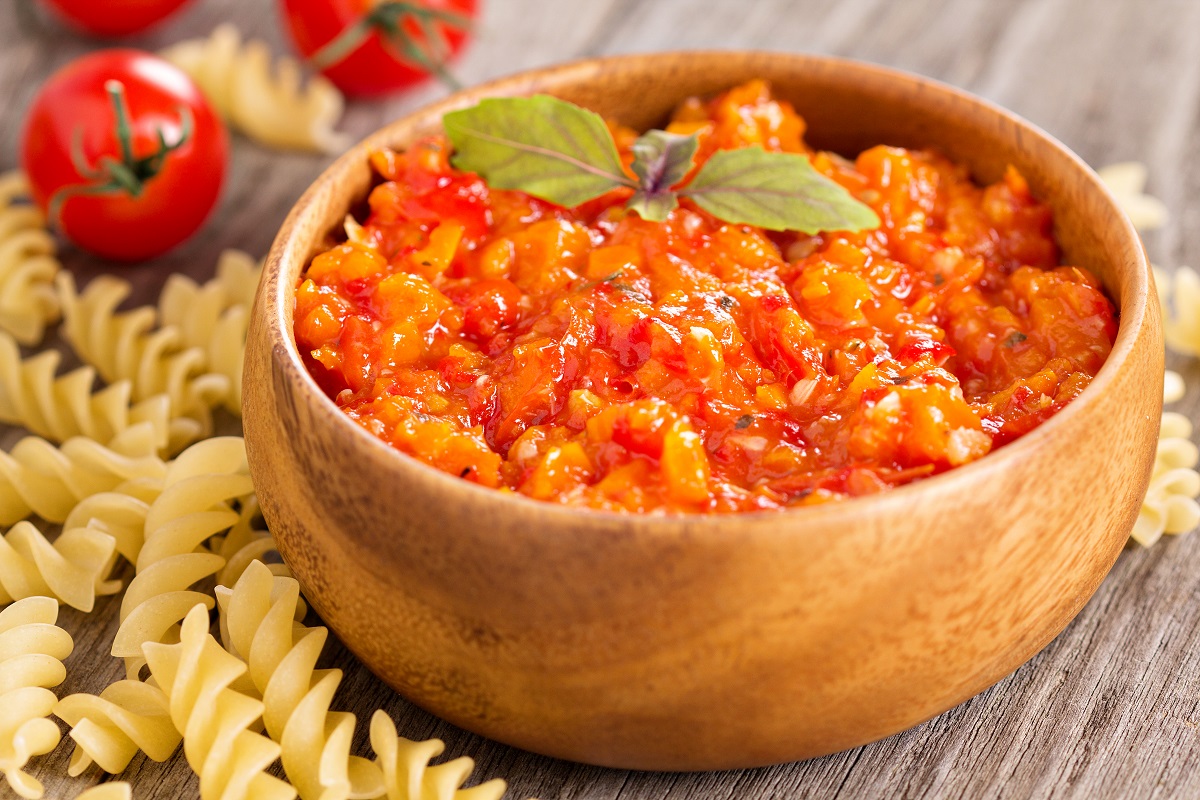

A rich, thick pasta sauce can turn an ordinary meal into something special. Whether you’re making marinara, meat sauce, Alfredo, or a creamy tomato blend, texture matters just as much as flavor. If your sauce is too thin or watery, it may not cling to the pasta the way you want, leaving the dish feeling bland or unfinished.
The good news is that learning how to make pasta sauce thicker is easy, even if you’re not an experienced cook. With a few simple techniques, common pantry ingredients, and a little patience, you can fix runny sauce and get restaurant-quality results at home.
This guide covers everything you need to know—from quick fixes to long-term cooking methods—so you can thicken pasta sauce the right way without sacrificing flavor.
Why Pasta Sauce Becomes Too Thin
Before fixing the problem, it helps to understand why pasta sauce turns out watery in the first place. Thin sauce is usually caused by one or more of these common issues:
- Too much liquid: Extra water, broth, wine, or juice from canned tomatoes can dilute the sauce.
- Not enough cooking time: Sauces need time to simmer so excess moisture can evaporate.
- Low-quality tomatoes: Some canned tomatoes contain more water than pulp.
- Frozen or fresh vegetables: These release water as they cook.
- Added dairy: Milk or cream can thin out sauces if not balanced properly.
Knowing the cause helps you choose the best method to fix it.
Let the Sauce Simmer Longer
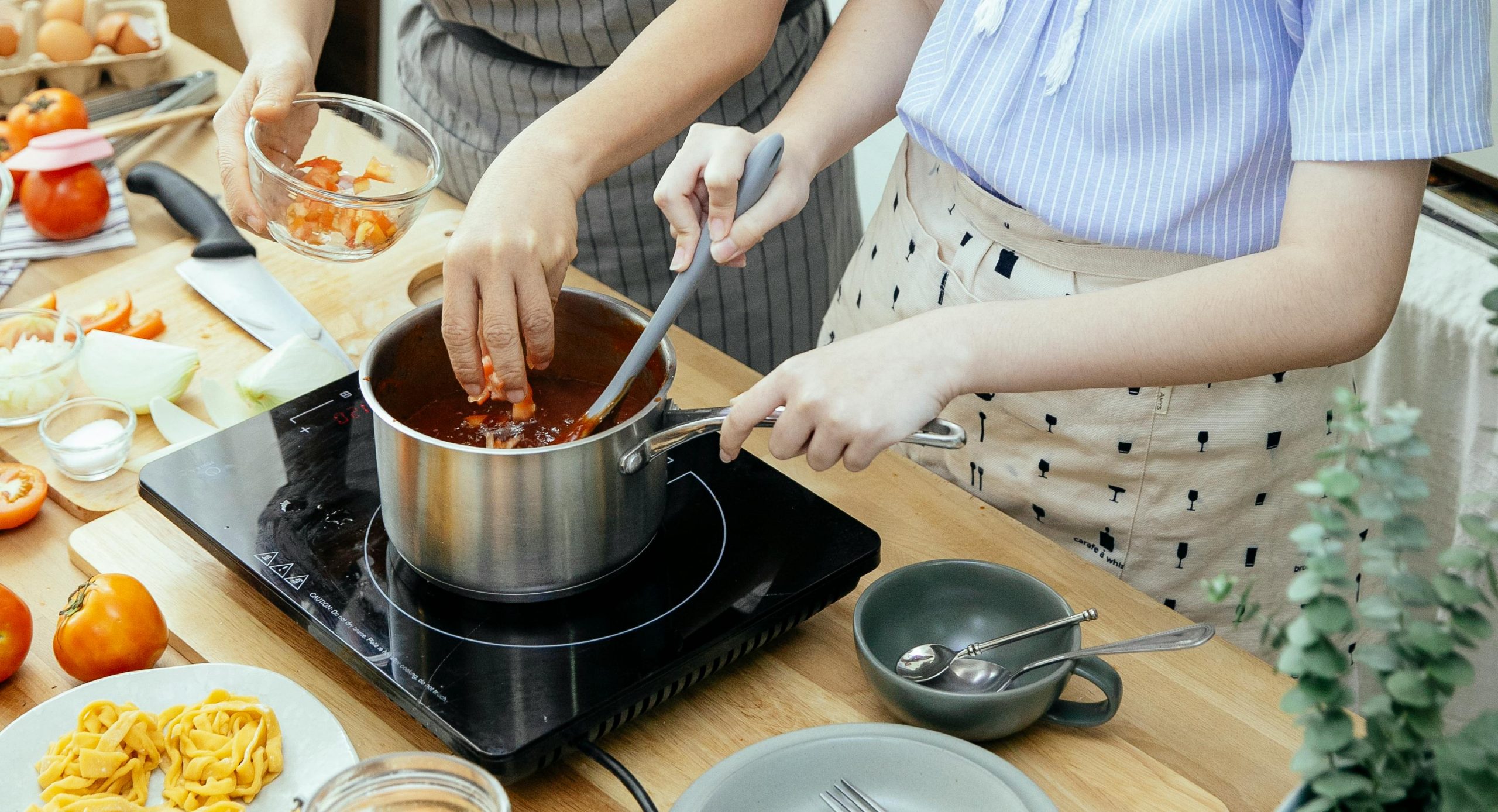
One of the simplest and most effective ways to thicken pasta sauce is to let it simmer.
Why Simmering Works
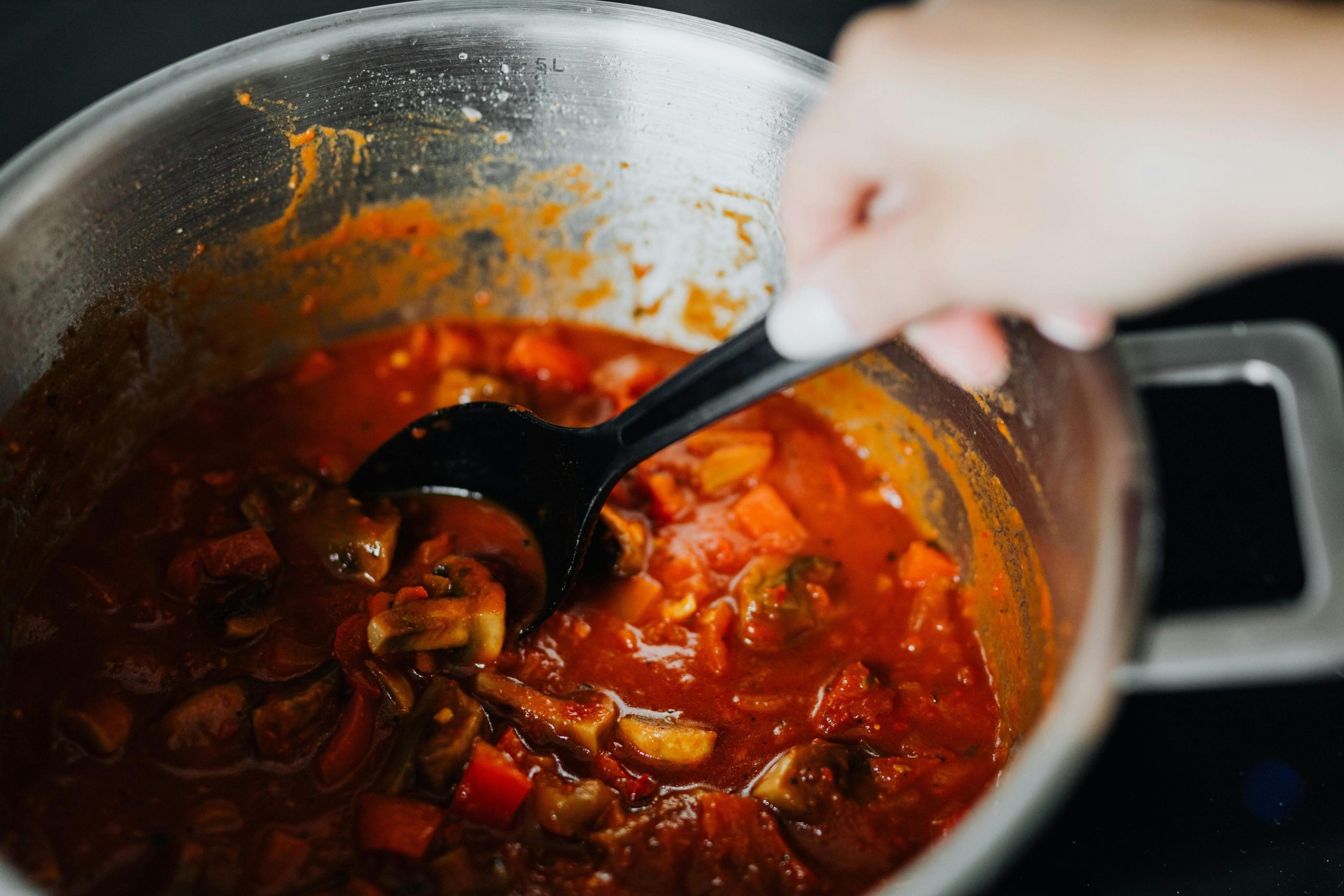
Simmering allows excess water to evaporate naturally, concentrating the flavors and thickening the texture at the same time.
How to Do It Properly
- Reduce the heat to low or medium-low.
- Leave the pot uncovered.
- Stir every few minutes to prevent sticking or burning.
- Simmer for 10–30 minutes, depending on how thin the sauce is.
This method works especially well for tomato-based sauces like marinara or Bolognese.
Use Tomato Paste for Tomato-Based Sauces
Tomato paste is one of the best ingredients for thickening red pasta sauces.
Benefits of Tomato Paste
- Highly concentrated flavor
- Thick texture with minimal liquid
- Enhances richness without changing taste dramatically
How to Add It
- Start with 1 tablespoon at a time.
- Stir it in thoroughly.
- Let the sauce cook for 5–10 minutes so the paste blends smoothly.
This method is ideal for spaghetti sauce, lasagna sauce, and pizza-style pasta sauces.
Add Starchy Pasta Water
It may sound strange, but pasta water can help thicken sauce when used correctly.
Why Pasta Water Helps
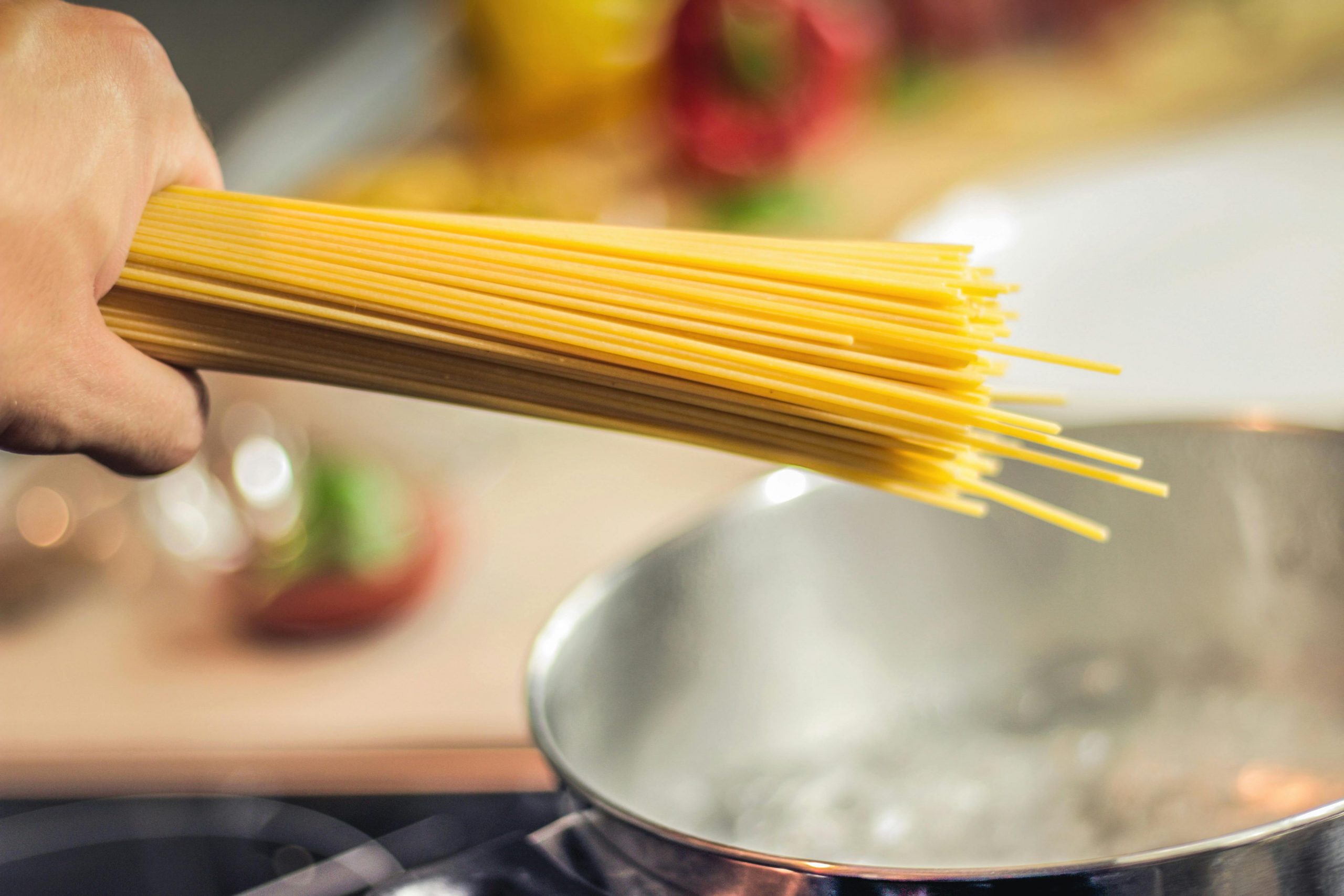
Pasta water contains starch released from the noodles, which helps bind and thicken sauce naturally.
How to Use It
- Reserve ½ to 1 cup of pasta water before draining.
- Add small amounts to the sauce while stirring.
- Simmer briefly to activate the starch.
This works best when the sauce is slightly thin rather than very watery.
Use a Cornstarch Slurry
If you need a quick fix, a cornstarch slurry can save the day.
How to Make a Slurry
- Mix 1 tablespoon cornstarch with 1 tablespoon cold water.
- Stir until smooth.
- Slowly add to the sauce while stirring.
Important Tips
- Let the sauce simmer for 2–3 minutes after adding.
- Avoid adding too much at once to prevent a gummy texture.
Cornstarch works well for both tomato and cream-based sauces.
Thicken with Flour (Roux Method)
Flour is another classic thickener, especially for creamy or cheesy sauces.
How to Use Flour Safely
You can add flour in two main ways:
Option 1: Roux
- Melt butter in a pan.
- Stir in equal parts flour.
- Cook for 1–2 minutes.
- Whisk into the sauce.
Option 2: Flour Slurry
- Mix flour with cold water.
- Add slowly while stirring.
Be sure to cook the sauce long enough to remove any raw flour taste.
Add Cheese for Thickness and Flavor
Cheese not only thickens sauce but also adds richness and depth.
Best Cheeses for Thickening
- Parmesan
- Romano
- Asiago
- Cream cheese (for creamy sauces)
How to Add Cheese Properly
- Lower the heat before adding.
- Stir slowly to prevent clumping.
- Add in small amounts.
Avoid high heat, which can cause cheese to separate.
Blend the Sauce
Blending is a great option if your sauce contains vegetables.
How Blending Helps
Pureeing onions, tomatoes, peppers, or carrots thickens the sauce naturally without added ingredients.
Ways to Blend
- Use an immersion blender directly in the pot.
- Transfer a portion to a blender, then return it to the sauce.
This method works especially well for smooth marinara or vegetable-based sauces.
Add Cream or Heavy Cream Carefully
Cream can thicken sauces, but it must be used correctly.
Tips for Using Cream
- Choose heavy cream instead of milk.
- Add slowly while stirring.
- Simmer gently to avoid curdling.
Cream works best for Alfredo, vodka sauce, and creamy tomato sauces.
Use Mashed Vegetables
Mashed vegetables are a healthy, natural way to thicken pasta sauce.
Best Vegetables for Thickening
- Potatoes
- Cauliflower
- Carrots
- Squash
Mash them well and stir them into the sauce for extra body and nutrients.
Reduce Liquid Ingredients Next Time
Prevention is just as important as fixing the problem.
Smart Cooking Habits
- Drain canned tomatoes slightly before using.
- Use less broth or wine.
- Add liquids gradually instead of all at once.
- Cook vegetables before adding liquid.
These steps help prevent thin sauce from the start.
Match Thickening Methods to Sauce Type
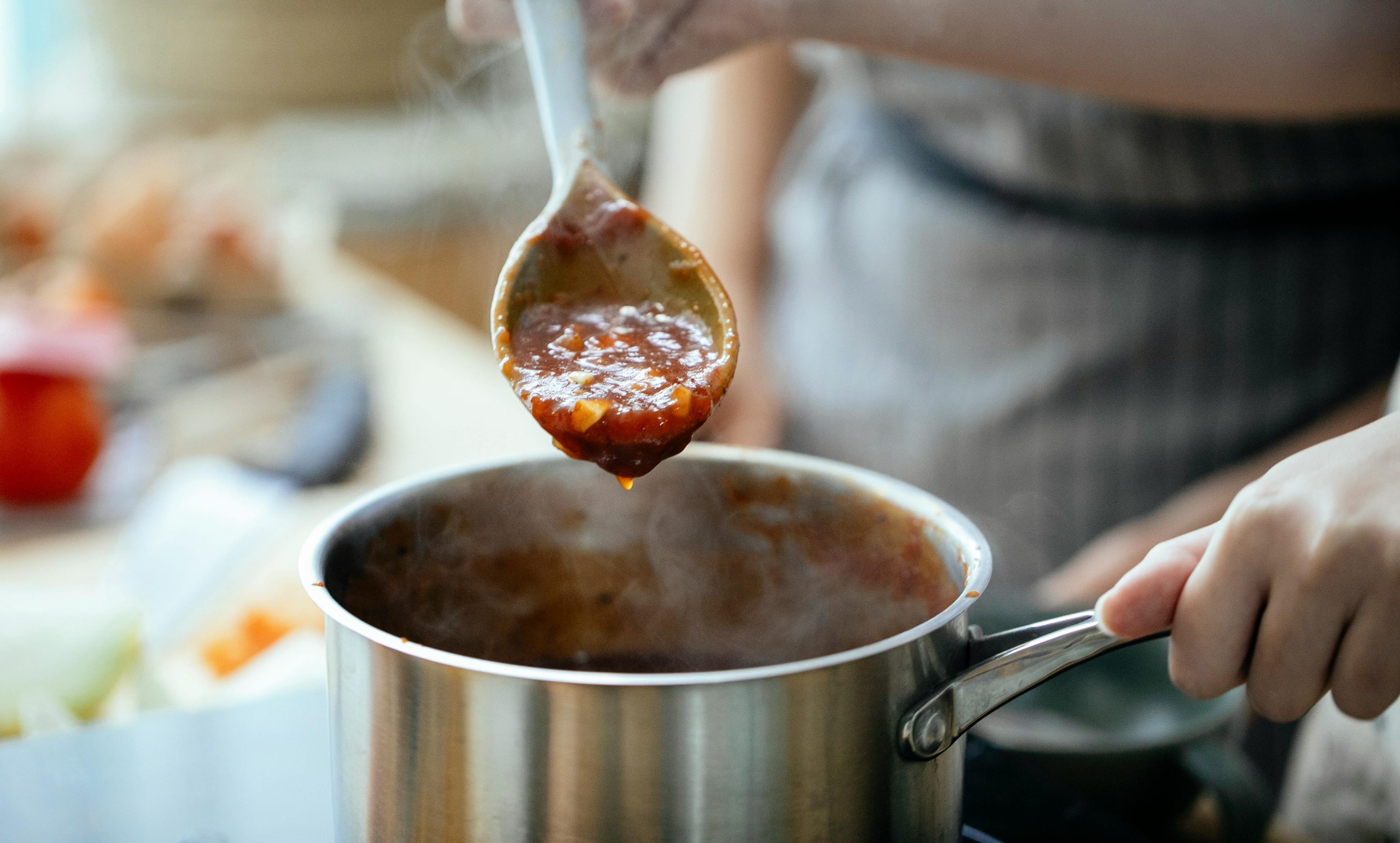
Not all pasta sauces thicken the same way, so it’s important to match your thickening method to the type of sauce you’re making. Using the right approach helps you achieve a better texture while keeping flavors balanced and natural. Below is a closer look at the best thickening techniques for common sauce types.
Tomato-Based Sauces
Tomato-based sauces like marinara, arrabbiata, or classic spaghetti sauce benefit from methods that reduce excess liquid without dulling the bright tomato flavor. One of the most effective techniques is to simmer the sauce longer with the lid off, allowing water to evaporate naturally and concentrate the taste. If you need faster results, adding tomato paste works well because it’s thick, rich, and made from concentrated tomatoes, so it blends seamlessly into the sauce. Another natural option is to blend vegetables such as onions, tomatoes, carrots, or peppers directly into the sauce. This thickens the texture while adding body and subtle sweetness without introducing extra starches.
Cream-Based Sauces
Creamy sauces like Alfredo, carbonara-style sauces, or creamy vodka sauce require gentler thickening methods. A roux (butter and flour) or a cornstarch slurry can add structure without making the sauce watery. When using these, it’s important to cook them properly so there’s no raw taste. Cheese is another excellent thickener for cream-based sauces—Parmesan or cream cheese adds both richness and thickness. Always simmer gently on low heat, as high heat can cause cream or cheese to separate, resulting in a grainy texture.
Meat Sauces
Meat sauces such as Bolognese or meat-based spaghetti sauce naturally thicken over time. Simmering uncovered allows moisture to evaporate while the meat releases fats and proteins that help thicken the sauce. You can also add mashed vegetables like carrots or potatoes to increase thickness without affecting flavor. With patience, the meat itself helps create a hearty, thick texture, especially when cooked slowly.
Choosing the right thickening method for your sauce type ensures the final dish is rich, balanced, and satisfying.
Common Mistakes to Avoid
When learning how to make pasta sauce thicker, small mistakes can quickly turn a good sauce into a disappointing one. Thickening takes patience and attention, and rushing the process often leads to texture or flavor problems. Being aware of these common errors will help you achieve a smooth, rich sauce every time.
One of the most frequent mistakes is adding thickener too quickly. Dumping flour, cornstarch, or paste into the sauce all at once can cause clumps that are hard to fix. Always add thickeners gradually and give the sauce time to respond before adding more. Along the same lines, using too much cornstarch or flour can make your sauce taste chalky or overly starchy instead of silky and smooth. A little goes a long way, and you can always add more if needed.
Cooking on high heat is another common issue. While it may seem like higher heat will thicken sauce faster, it often causes scorching or separation, especially in cream-based sauces. Gentle simmering allows liquid to evaporate evenly and flavors to develop without burning. It’s also easy to forget the importance of stirring regularly. Sauce that sits too long without stirring can stick to the bottom of the pan, leading to uneven thickness or burnt spots.
Another mistake to watch out for is over-reducing the sauce. Simmering for too long can make the sauce overly thick, bitter, or dry, especially with tomato-based sauces. Once the sauce reaches your desired consistency, remove it from heat promptly.
Common mistakes to avoid include:
- Adding thickener too quickly
- Using too much cornstarch or flour
- Cooking on high heat
- Forgetting to stir
- Over-reducing and burning the sauce
Patience is key to getting a smooth, well-balanced result. Slow adjustments, gentle heat, and consistent stirring will help you thicken pasta sauce without sacrificing flavor or texture.
How Thick Should Pasta Sauce Be?
A good pasta sauce should:
- Coat the back of a spoon
- Stick to pasta without pooling at the bottom
- Flow slowly, not drip like soup
If it meets these standards, you’re on the right track.
Quick Fixes for Last-Minute Thin Sauce
If dinner is almost ready and the sauce is still thin, try these fast solutions:
- Add grated Parmesan
- Stir in a cornstarch slurry
- Simmer uncovered for 5–10 minutes
- Blend a portion of the sauce
These quick fixes can save your meal without stress.
Final Thoughts
Knowing how to make pasta sauce thicker gives you more control in the kitchen and helps you create better-tasting meals. Whether you prefer slow simmering, pantry thickeners, or natural methods like blending vegetables, there’s a solution for every type of sauce.
The key is to work slowly, taste as you go, and choose methods that enhance—not overpower—the flavor. With these tips, you’ll never have to settle for watery pasta sauce again.