
How to Cook Pasta Al Dente: A Step-by-Step Beginner’s Guide
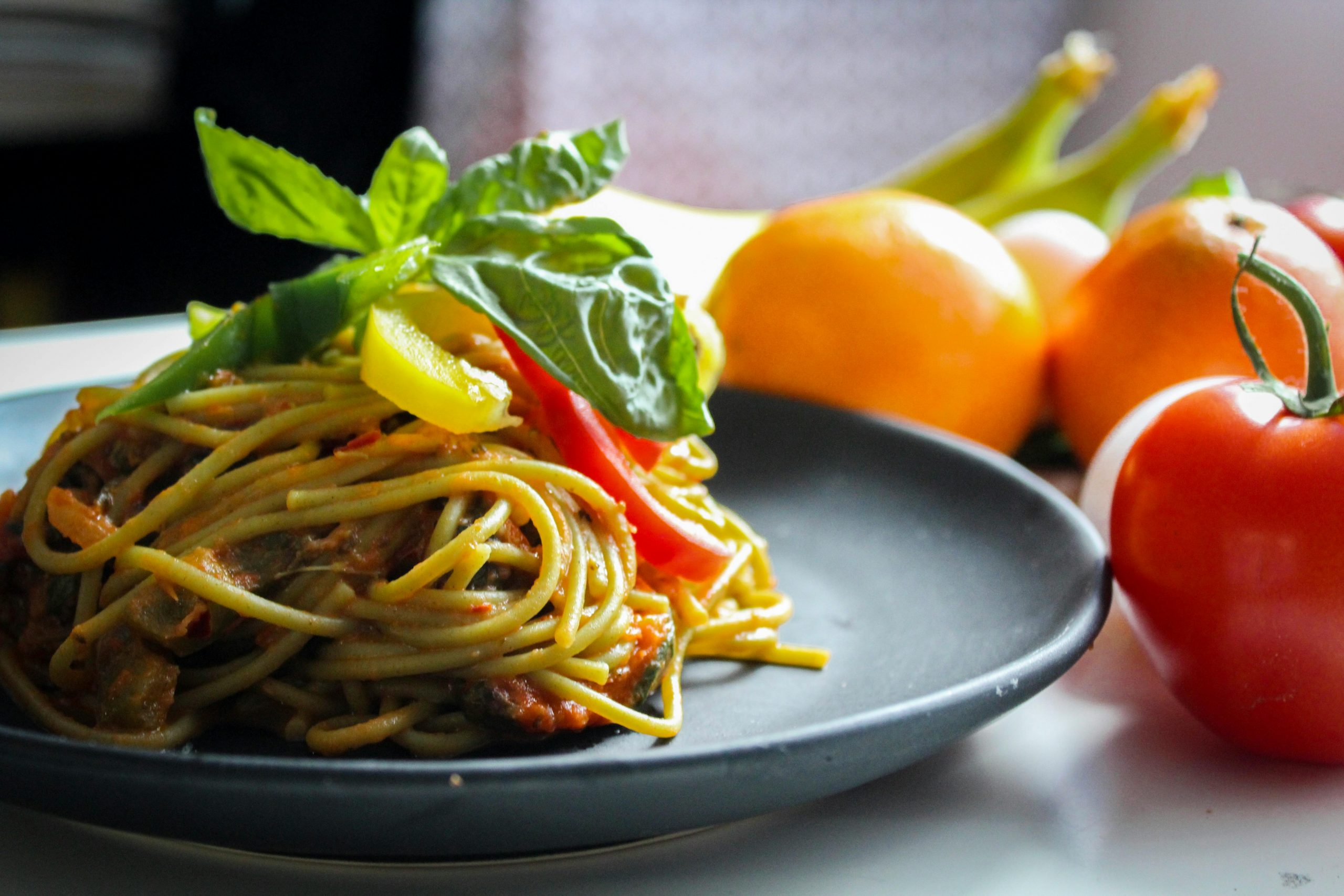
Cooking pasta may seem simple, but getting it just right—firm yet tender—can make a big difference in flavor and texture. That perfect bite is called al dente, an Italian term meaning “to the tooth.” Pasta cooked al dente is tender on the outside with a slight firmness in the center, making it ideal for holding sauce and providing a satisfying texture.
Whether you’re cooking spaghetti for a weeknight dinner or preparing pasta for a special meal, learning how to cook pasta al dente is an essential kitchen skill. This guide walks you through everything you need to know, from choosing the right pasta and boiling water properly to testing doneness and avoiding common mistakes.
What Does Al Dente Mean?
Al dente pasta is cooked until it is tender but still slightly firm when bitten. It should not be crunchy, mushy, or chalky in the center. When cooked properly, al dente pasta:
- Holds its shape well
- Absorbs sauce without becoming soggy
- Has a pleasant, slightly chewy texture
Many chefs prefer al dente pasta because it creates a better eating experience and pairs well with both light and hearty sauces.
Why Cooking Pasta Al Dente Matters
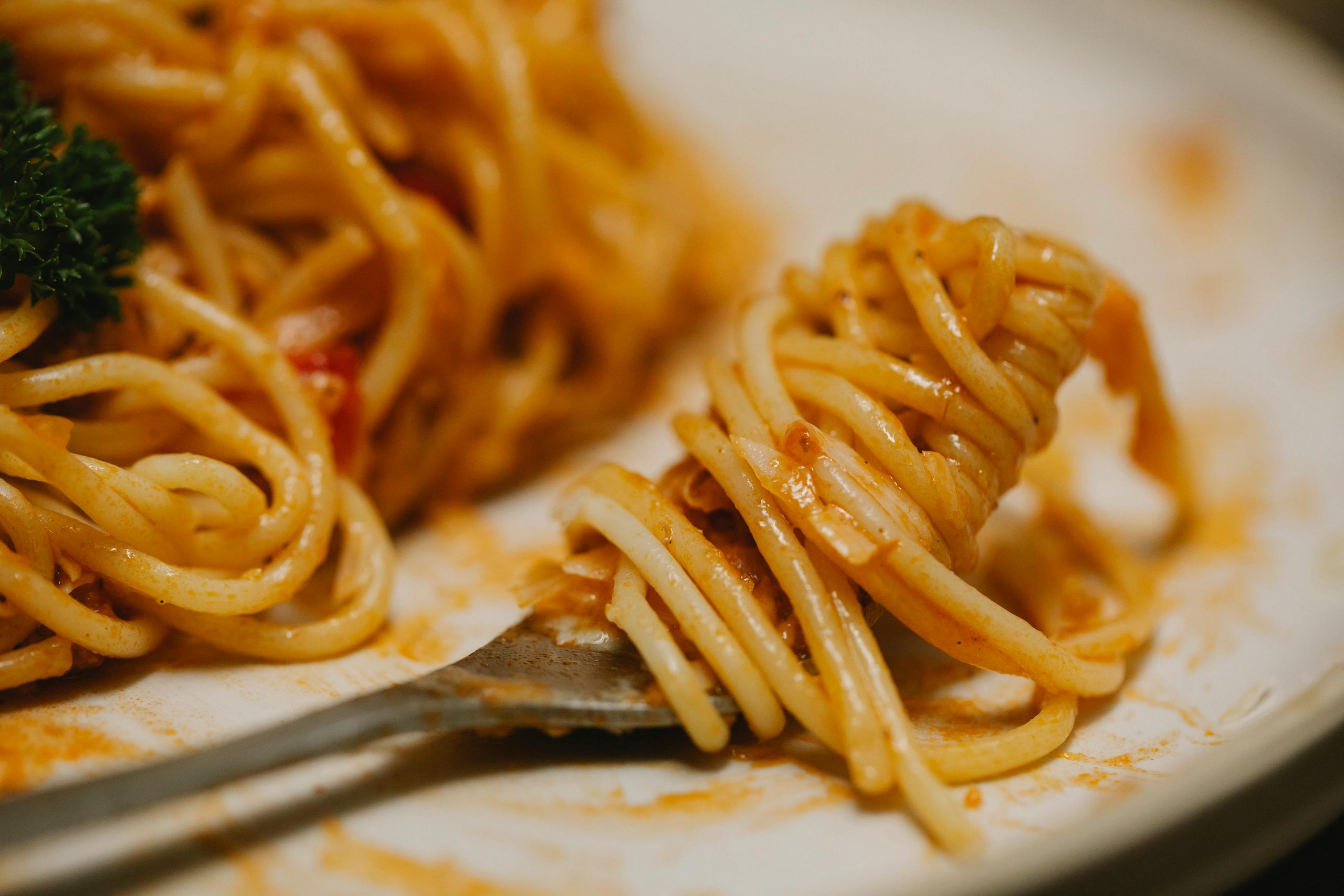
Cooking pasta al dente is not just about tradition—it also improves flavor, texture, and even digestion.
Better Texture
Overcooked pasta turns soft and gummy, while al dente pasta stays firm and enjoyable to eat.
Improved Sauce Cling
Pasta cooked al dente holds onto sauce better, creating a more balanced bite.
Nutritional Benefits
Al dente pasta has a lower glycemic impact than overcooked pasta, meaning it digests more slowly and may help keep you fuller longer.
Choose the Right Pasta
The journey to perfect al dente pasta starts before you even turn on the stove.
Dried Pasta
Most boxed pasta, like spaghetti, penne, and rigatoni, is designed to be cooked al dente. Check the cooking time on the package, but remember it’s just a guideline.
Fresh Pasta
Fresh pasta cooks much faster than dried pasta and may not have the same firm bite. It can still be cooked al dente, but timing is critical—often just 1–3 minutes.
Use the Right Pot and Water Amount
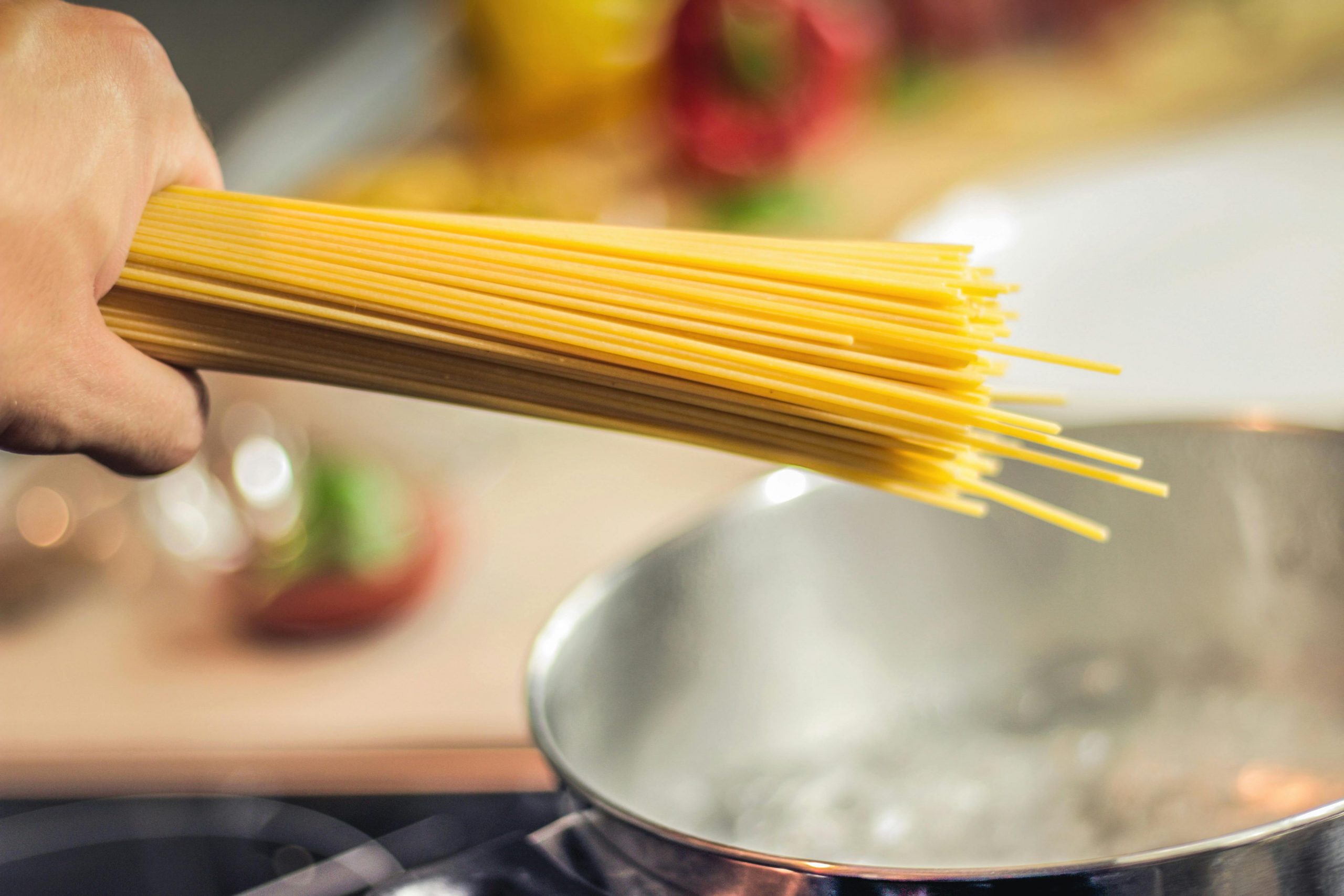
Choose a Large Pot
Pasta needs room to move. A large pot prevents sticking and helps the pasta cook evenly.
Use Plenty of Water
A good rule is 4–6 quarts of water per pound of pasta. More water keeps the temperature steady when pasta is added.
Salt the Water Properly
Salted water is key to flavorful pasta.
- Add salt after the water starts boiling
- Use about 1–2 tablespoons of salt per gallon of water
- The water should taste like the sea
Salting the water seasons the pasta from the inside, which improves the final dish even if your sauce is mild.
Bring Water to a Rolling Boil
Before adding pasta, make sure the water is at a full rolling boil. This prevents pasta from sticking together and ensures even cooking.
Once the pasta is added, stir immediately and then occasionally during cooking.
Follow the Cooking Time—but Don’t Trust It Completely
Package instructions are helpful, but pasta brands vary. Start checking doneness 1–2 minutes before the suggested cooking time.
How to Test Pasta for Al Dente
The most reliable way to know if pasta is cooked al dente is to test it before the timer ends. Since pasta can go from perfectly firm to overcooked very quickly, checking early helps you hit the ideal texture every time. Use a combination of tasting, looking, and feeling the pasta for the most accurate results.
Taste test: Scoop out a single piece of pasta with a spoon and let it cool for a few seconds so it doesn’t burn your mouth. Bite into it gently. Al dente pasta should feel tender on the outside but still have a slight firmness in the center. It should not crunch, but it also shouldn’t feel soft or gummy. If the pasta tastes chalky or raw, it needs more time. If it feels too soft, it has gone past al dente.
Visual check: For a quick visual cue, break a piece of pasta in half. Look at the center of the noodle. If you see a thin white line or dot in the middle, the pasta is almost al dente and usually needs about 20–30 more seconds of cooking. If the center is completely opaque and matches the outer color, the pasta is fully cooked and ready to drain.
Texture check: Gently bend the pasta between your fingers or against the spoon. Properly cooked al dente pasta should bend without snapping and feel smooth, not sticky. If pieces clump together or feel mushy, they may be overcooked. If they feel stiff and don’t bend easily, they need more time in the water.
Using all three checks together—taste, sight, and touch—gives you the best chance of achieving perfectly al dente pasta every time.
Drain Pasta the Right Way
Once pasta reaches al dente, act quickly.
- Reserve about ½ cup of pasta water before draining
- Drain pasta immediately—do not rinse unless making cold pasta salad
Rinsing removes starch that helps sauce cling to pasta.
Finish Cooking Pasta in the Sauce
One of the best ways to serve al dente pasta is to finish cooking it in the sauce.
Add the drained pasta directly to your warm sauce and cook for 1–2 minutes, stirring gently. This allows the pasta to absorb flavor while staying firm.
This step also works well when adjusting sauce consistency, especially if you’re learning how to make pasta sauce thicker, since pasta starch and reserved cooking water can help balance texture.
Common Mistakes That Ruin Al Dente Pasta
Avoid these common errors to get perfect results every time:
- Using too little water
- Forgetting to salt the water
- Overcooking “just to be safe”
- Rinsing pasta after draining
- Leaving pasta in hot water after turning off heat
Even 30 extra seconds can turn al dente pasta into mush.
Al Dente Pasta for Different Dishes
Pasta with Tomato Sauce
Cook slightly firmer since the pasta will finish cooking in the sauce.
Cream-Based Sauces
True al dente works best to prevent the pasta from becoming too soft.
Baked Pasta
Undercook pasta slightly so it doesn’t overcook in the oven.
Al Dente Pasta and Meal Prep
If you plan to store pasta:
- Cook just shy of al dente
- Cool quickly and store in airtight containers
- Reheat gently with sauce or water
This prevents mushy leftovers and keeps texture intact.
Does Pasta Type Affect Al Dente Cooking?
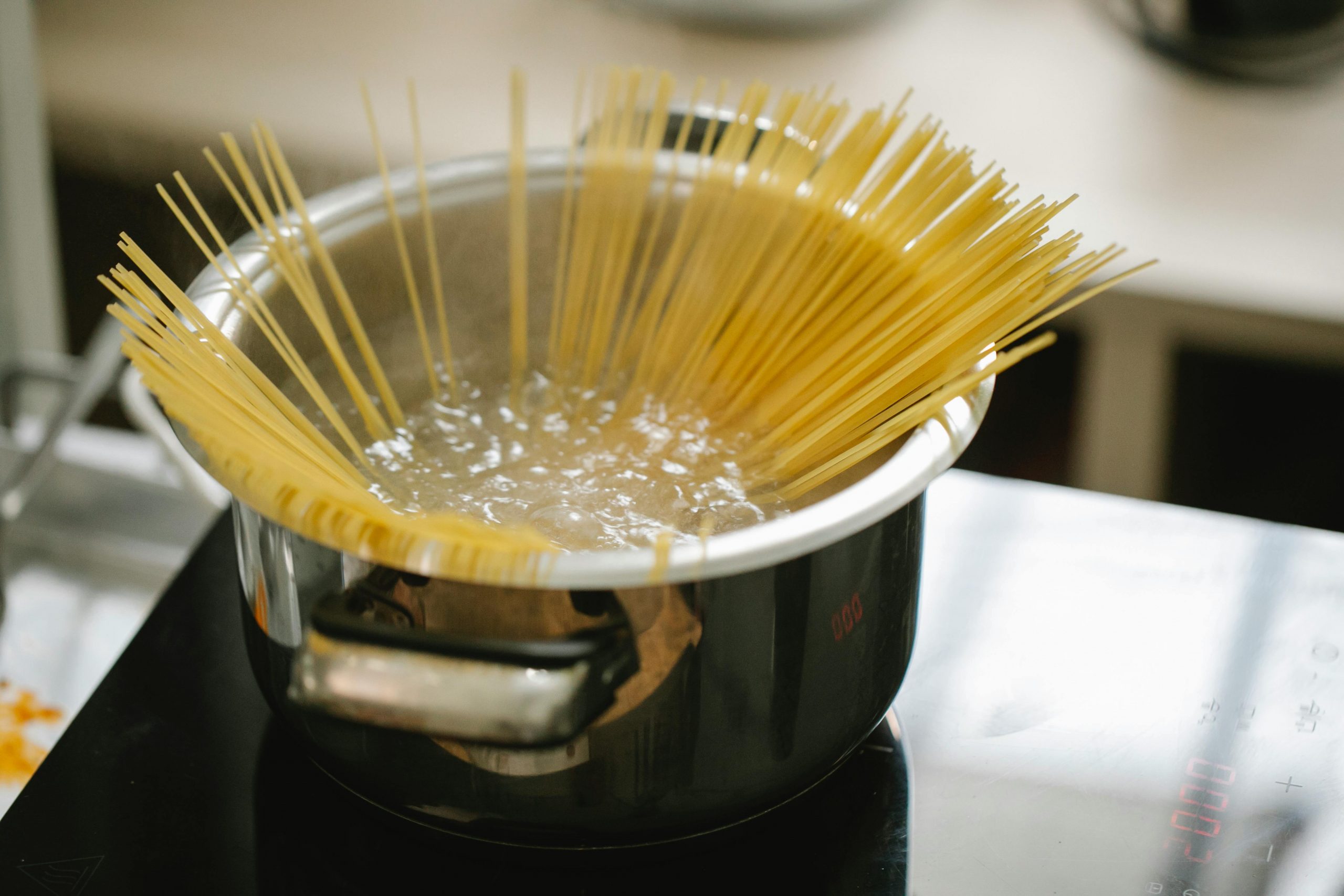
Yes. Different shapes cook at different speeds.
- Thin pasta (angel hair): Cooks very quickly
- Tubes (penne, rigatoni): Take longer
- Whole wheat pasta: Needs extra attention; it can go from undercooked to overcooked fast
Always taste, regardless of shape.
Tools That Help You Cook Pasta Perfectly
While not required, these tools make cooking easier:
- Large stockpot
- Long-handled spoon
- Timer
- Colander
- Slotted spoon for tasting
Simple tools combined with good timing deliver consistent results.
Final Tips for Perfect Al Dente Pasta
- Always taste—don’t guess
- Start checking early
- Finish pasta in the sauce
- Serve immediately
With practice, cooking pasta al dente becomes second nature.
Final Thoughts
Learning how to cook pasta al dente is a simple skill that elevates every pasta dish you make. With the right pot, enough salted water, careful timing, and regular taste testing, you can achieve that perfect texture every time. Whether you’re making a quick weeknight meal or cooking for guests, al dente pasta delivers better flavor, texture, and overall enjoyment.
Once you master this technique, every pasta dish—from simple marinara to rich cream sauces—will taste noticeably better.