
- Healthy pasta sauces can transform traditional pasta dishes into nutritious, satisfying meals without sacrificing flavor.
- Choosing whole-food ingredients, minimal added sugar, healthy fats, and natural flavor enhancers makes a pasta sauce healthier.
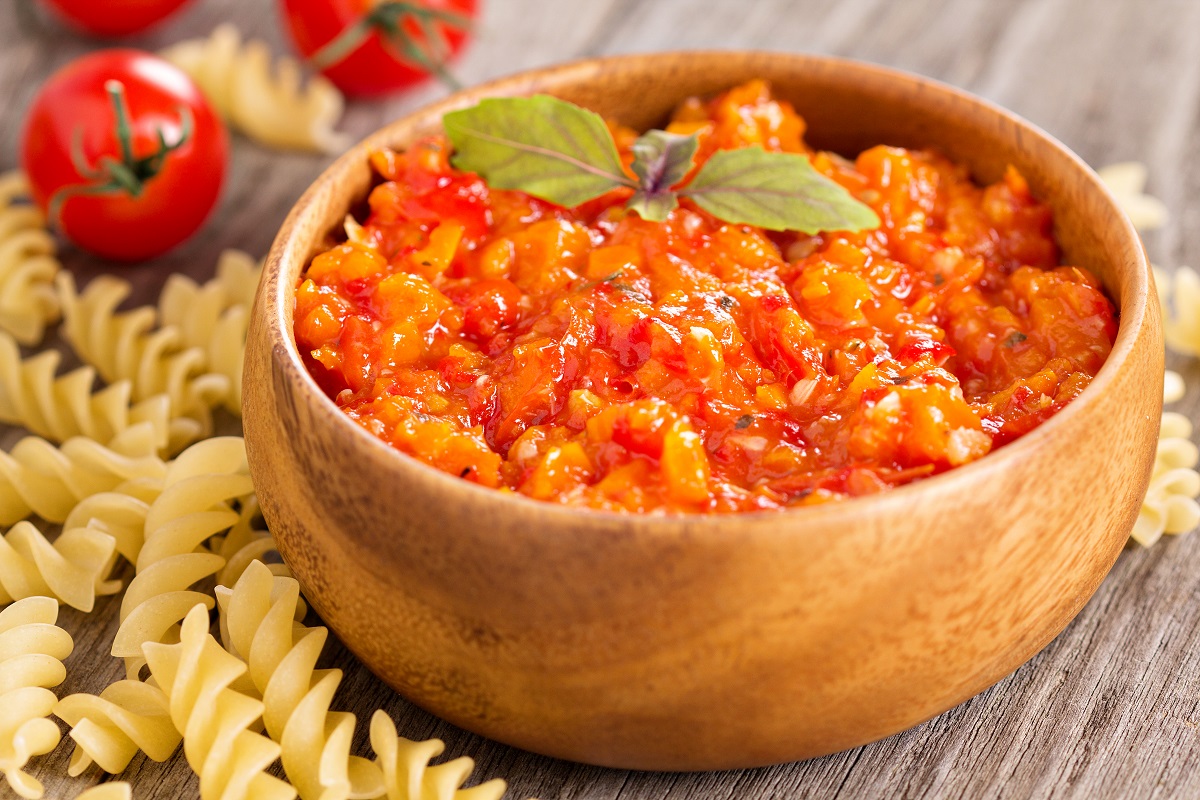
- Vegetable-based sauces, like roasted red pepper or Mediterranean veggie sauce, add fiber, vitamins, and antioxidants.
- Creamy textures can be achieved without heavy cream by using ingredients like butternut squash, Greek yogurt, or legumes.
- Plant-based proteins, such as lentils, or lean proteins like chicken or seafood, can make pasta meals more balanced and filling.
- Preparing sauces ahead of time and pairing them with whole-grain or legume-based pasta can save time and maximize nutrition.
Pasta doesn’t have to be a guilty pleasure. With the right sauces, it can become a nutritious, satisfying meal that fuels your body and tastes incredible. In this guide, we’ll explore 8 healthy Italian pasta sauces that are packed with flavor, nutrients, and wholesome ingredients. Whether you’re looking to boost fiber, add more vegetables to your diet, or enjoy a lighter version of your favorite classics, there’s something here for everyone.
Why Choose Healthy Italian Pasta Sauces?
You might wonder why it’s important to focus on healthy pasta sauces. Many store-bought sauces are high in sugar, sodium, and unhealthy fats. By making your own or choosing healthier alternatives, you can:
- Reduce empty calories and added sugars
- Increase your intake of vegetables and whole ingredients
- Control sodium and fat content
- Create balanced meals that support weight management and overall health
Enhancing Italian pasta recipes with healthy sauces shows that nutritious meals can be both delicious and satisfying.
What Makes a Pasta Sauce Healthy?
A healthy pasta sauce is more than just low-calorie or low-fat. Here are the key elements to look for:
- Whole-food ingredients: Fresh vegetables, lean proteins, and herbs
- Minimal added sugar: Many store-bought tomato sauces sneak in sugar for flavor
- Healthy fats: Olive oil, avocado oil, or nuts instead of butter or cream
- Natural flavor enhancers: Garlic, onions, fresh herbs, and spices
- Optional protein boost: Chickpeas, lentils, or lean meats for a more balanced meal
With these guidelines in mind, let’s dive into the 8 healthy Italian pasta sauces that are easy to make and packed with nutrition.
1. Classic Tomato Basil Sauce – Simple and Low-Calorie
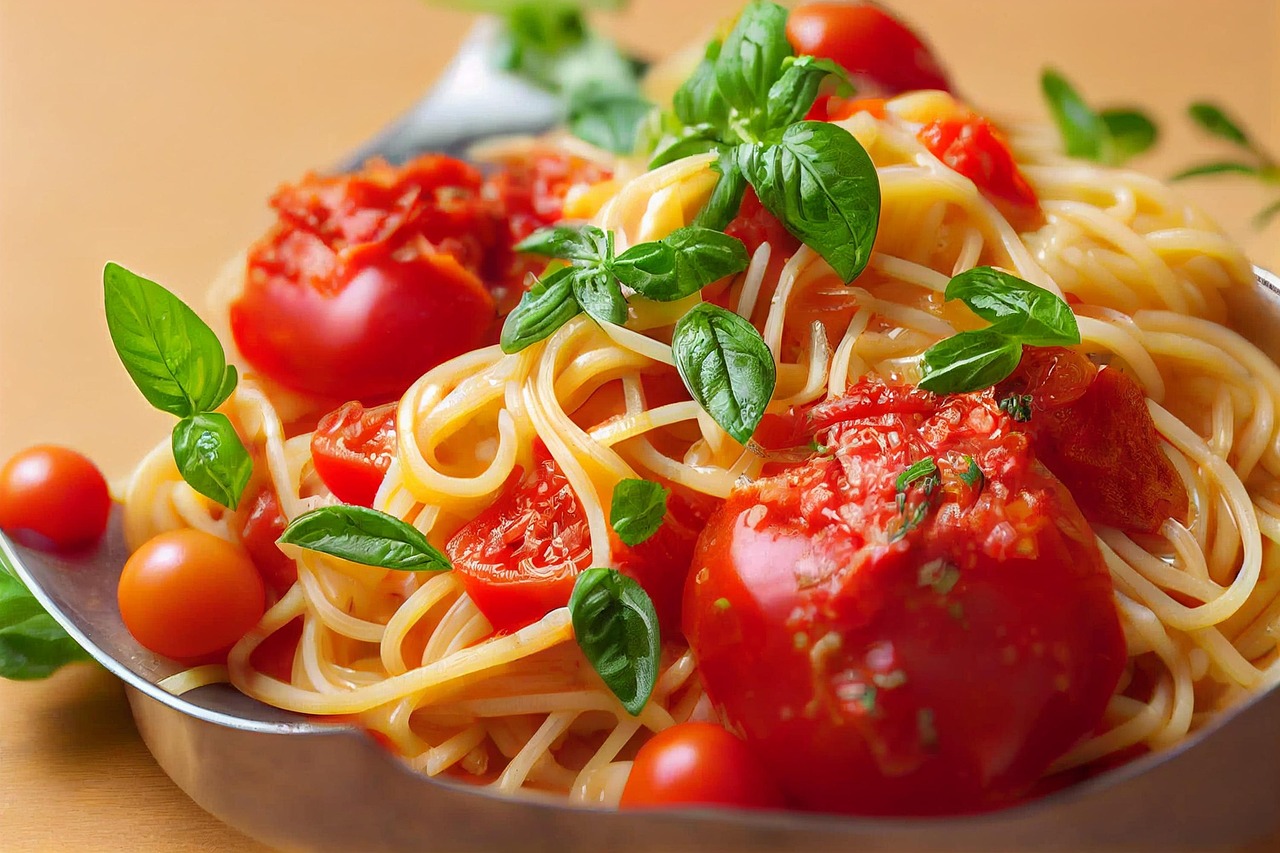
Tomato basil sauce is a staple in Italian cooking and can easily be made healthier. Use ripe tomatoes, fresh basil, garlic, and a drizzle of olive oil.
Health tips:
- Use fresh or canned no-salt-added tomatoes to reduce sodium
- Cook with extra garlic for immune-boosting benefits
- Skip sugar—ripe tomatoes are naturally sweet
How to serve: Toss with whole-grain spaghetti or zucchini noodles for a light, fiber-rich meal.
2. Roasted Red Pepper Sauce – Sweet, Smoky, and Nutrient-Dense
Roasted red peppers bring a sweet and smoky flavor to your pasta without adding extra calories. Blend roasted peppers with olive oil, garlic, and a touch of Greek yogurt for creaminess.
Benefits:
- High in vitamin C and antioxidants
- Creamy texture without heavy cream
- Adds a vibrant color to your plate
Tip: Roast peppers at home for maximum flavor or use a high-quality jarred option with no added sugar.
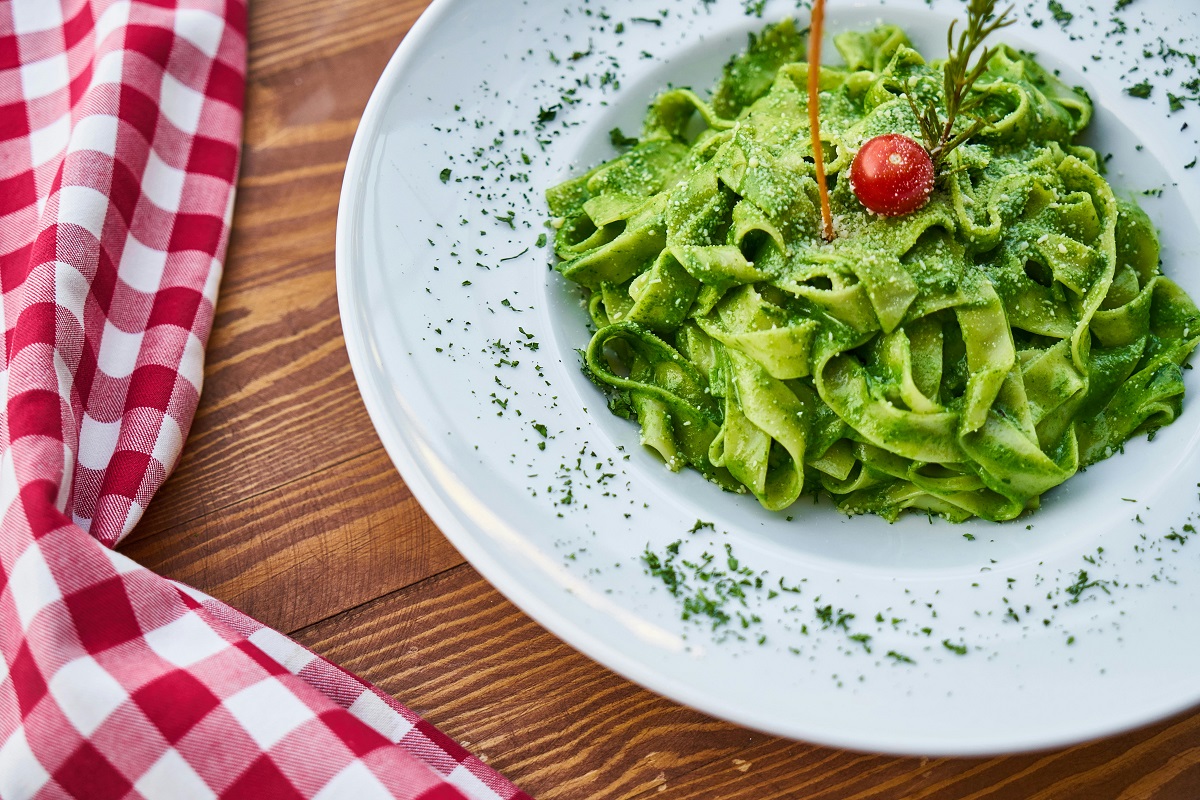
3. Pesto with a Twist – Nutritious and Flavorful
Traditional pesto is made with basil, pine nuts, garlic, Parmesan, and olive oil. For a healthier version, try:
- Substituting some of the basil with spinach or kale for extra nutrients
- Using walnuts or almonds instead of pine nuts to reduce cost while keeping healthy fats
- Lightening up with a bit of water or vegetable broth instead of all oil
Why it works: Pesto is rich in heart-healthy fats and antioxidants, making it a filling and satisfying sauce.
4. Mediterranean Veggie Sauce – Packed with Color and Fiber
This sauce is loaded with chopped vegetables like zucchini, eggplant, cherry tomatoes, and olives. A splash of olive oil and fresh herbs ties it all together.
Health benefits:
- High fiber content supports digestion
- Vitamins and minerals from a variety of vegetables
- Minimal added fat and calories
Serving suggestion: Pair with whole-grain pasta or legume-based pasta for added protein.
5. Lemon Garlic Sauce – Light and Refreshing
Sometimes a sauce doesn’t need to be heavy or tomato-based. Lemon garlic sauce uses fresh lemon juice, olive oil, garlic, and parsley for a light, zesty flavor.
Why it’s healthy:
- Citrus provides vitamin C
- Garlic supports immune health
- Olive oil provides heart-healthy fats
Pro tip: Toss with spaghetti or angel hair pasta and top with grilled shrimp or chicken for a protein boost.
6. Butternut Squash Sauce – Creamy Without the Cream
Butternut squash can create a naturally creamy sauce that’s low in calories but rich in flavor. Roast the squash, then blend with garlic, a touch of olive oil, and nutmeg.
Health benefits:
- High in fiber, beta-carotene, and vitamin A
- Creamy texture without dairy or heavy cream
- Naturally sweet and satisfying
Serving tip: Great with penne or rigatoni, and you can sprinkle with a little Parmesan for added flavor.
7. Lentil Bolognese – Protein-Packed Comfort Food
Swap traditional ground beef for lentils in this classic Bolognese sauce. Lentils provide protein, fiber, and essential nutrients while keeping the dish hearty.
Why it works:
- High in plant-based protein
- Low in saturated fat
- Keeps you full and satisfied
Cooking tip: Sauté onions, carrots, and celery, then add tomato paste, canned tomatoes, and cooked lentils. Simmer for a rich, flavorful sauce.
8. Spinach and Artichoke Sauce – Green Goodness in Every Bite
Inspired by the popular appetizer, this pasta sauce combines spinach, artichokes, garlic, and a touch of Greek yogurt for creaminess.
Benefits:
- Iron, calcium, and antioxidants from spinach
- Fiber and vitamins from artichokes
- Light and creamy without heavy cream
Serving suggestion: Use with whole-grain or chickpea pasta for an extra nutrient boost.
How to Make Your Pasta Meals Healthier Overall
Choosing a healthy sauce is only part of the equation. Here are ways to make your pasta meals even more nutritious:
- Choose whole-grain, legume, or vegetable-based pasta for fiber and protein
- Add extra vegetables to the sauce or as a side salad
- Control portion sizes to avoid overeating
- Pair with lean proteins like chicken, fish, or plant-based options
- Top with herbs instead of extra cheese for flavor without excess calories
Can You Make These Sauces Ahead of Time?
Absolutely. Many healthy Italian pasta sauces taste even better after the flavors meld for a day or two.
- Tomato and vegetable-based sauces can be stored in the fridge for 3–5 days
- Pesto and lemon garlic sauces last about 2–3 days
- Frozen options: Most sauces can be frozen for 1–2 months; just thaw and heat before serving
Batch cooking is a great way to save time and ensure you always have a healthy sauce ready.
In a Nutshell
Eating pasta doesn’t have to be unhealthy. By choosing nutrient-dense ingredients, swapping heavy creams for vegetables, and adding protein and fiber, you can enjoy delicious pasta meals that nourish your body. The 8 sauces above are versatile, flavorful, and easy to adapt to your taste and dietary needs.
Remember, healthy eating is about balance—not perfection. Enjoy your pasta with confidence, knowing you’re feeding both your taste buds and your body.