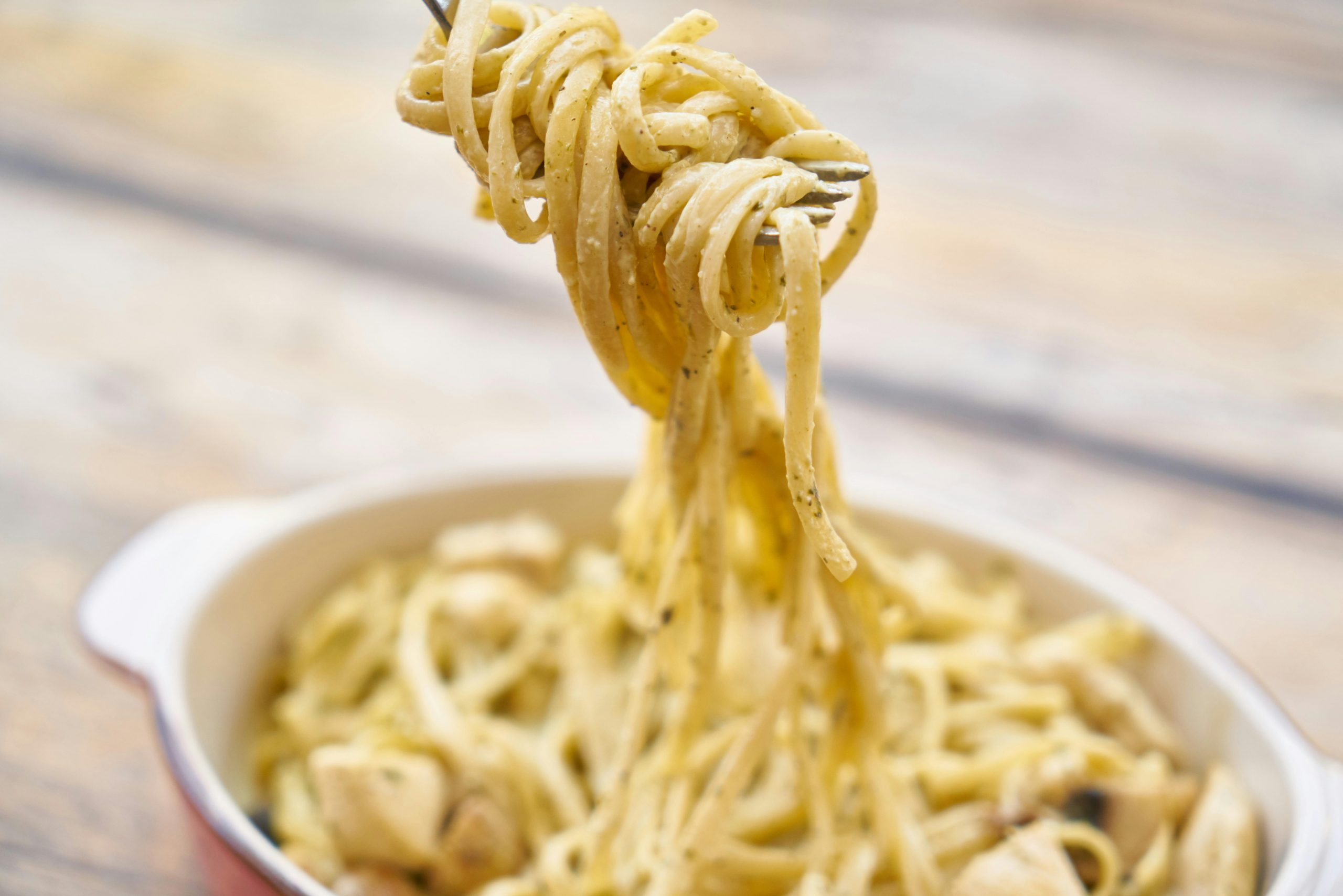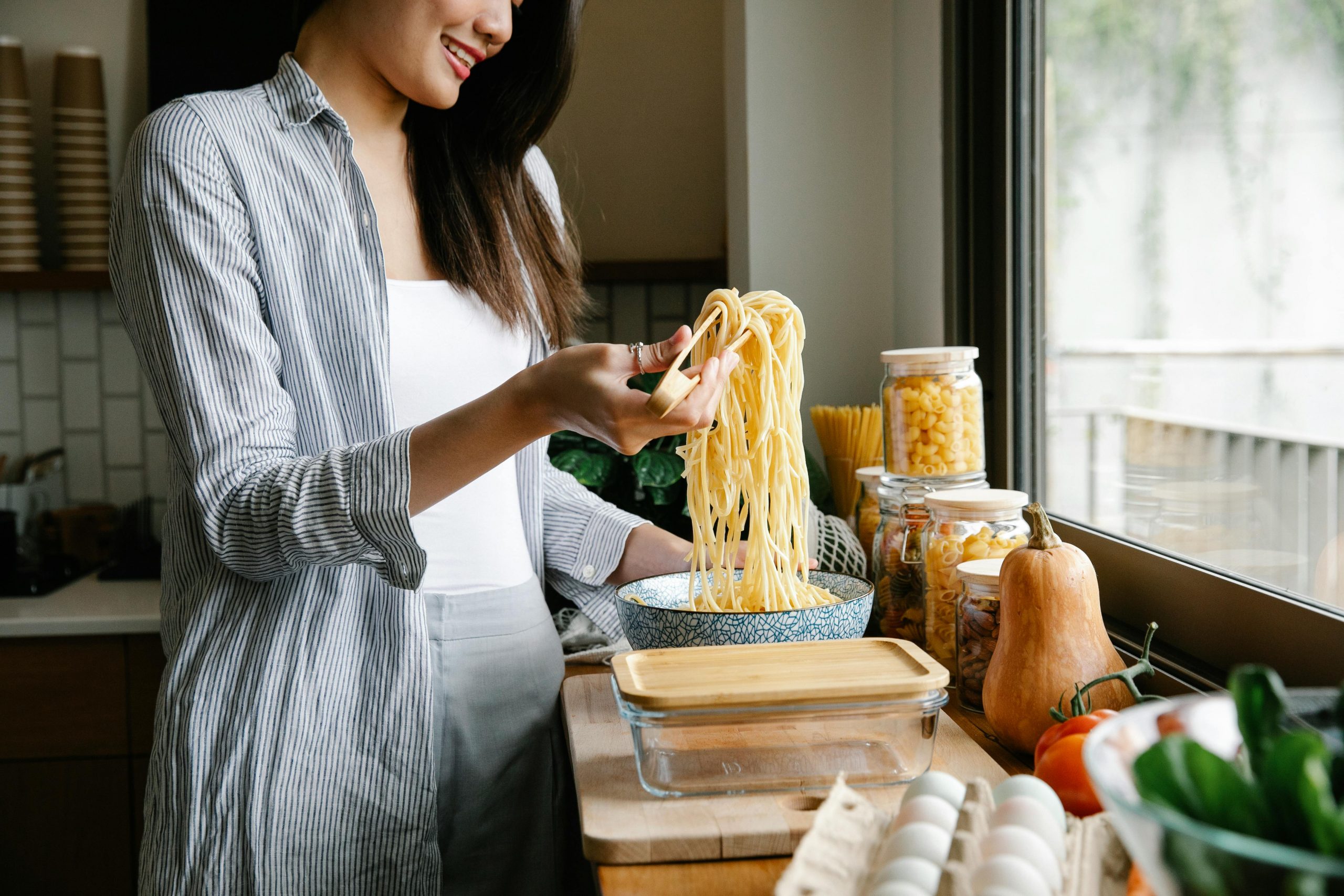

Fresh pasta is a staple for many home cooks and food enthusiasts. Its soft texture, rich flavor, and ability to pair with endless sauces make it a culinary favorite. Unlike dry pasta, fresh pasta is more delicate and perishable. Without proper storage, it can quickly become sticky, mushy, or develop bacteria that make it unsafe to eat. Whether you make it at home or purchase it from a specialty store, knowing how to store fresh pasta correctly ensures that every meal tastes just as it should.
Why Proper Storage Matters
Storing fresh pasta correctly is more than just convenience—it’s about safety and quality. Improper storage can lead to:
- Spoilage: Fresh pasta can quickly develop mold or off smells if left out or improperly refrigerated.
- Texture Loss: Pasta can become sticky, dry, or mushy.
- Flavor Deterioration: Exposure to air or moisture can dull the fresh flavor.
- Health Risks: Egg-based pasta is highly perishable and may harbor bacteria like Salmonella if not stored properly.
Maintaining fresh pasta properly preserves both its taste and safety, ensuring every bite is enjoyable.
Types of Fresh Pasta
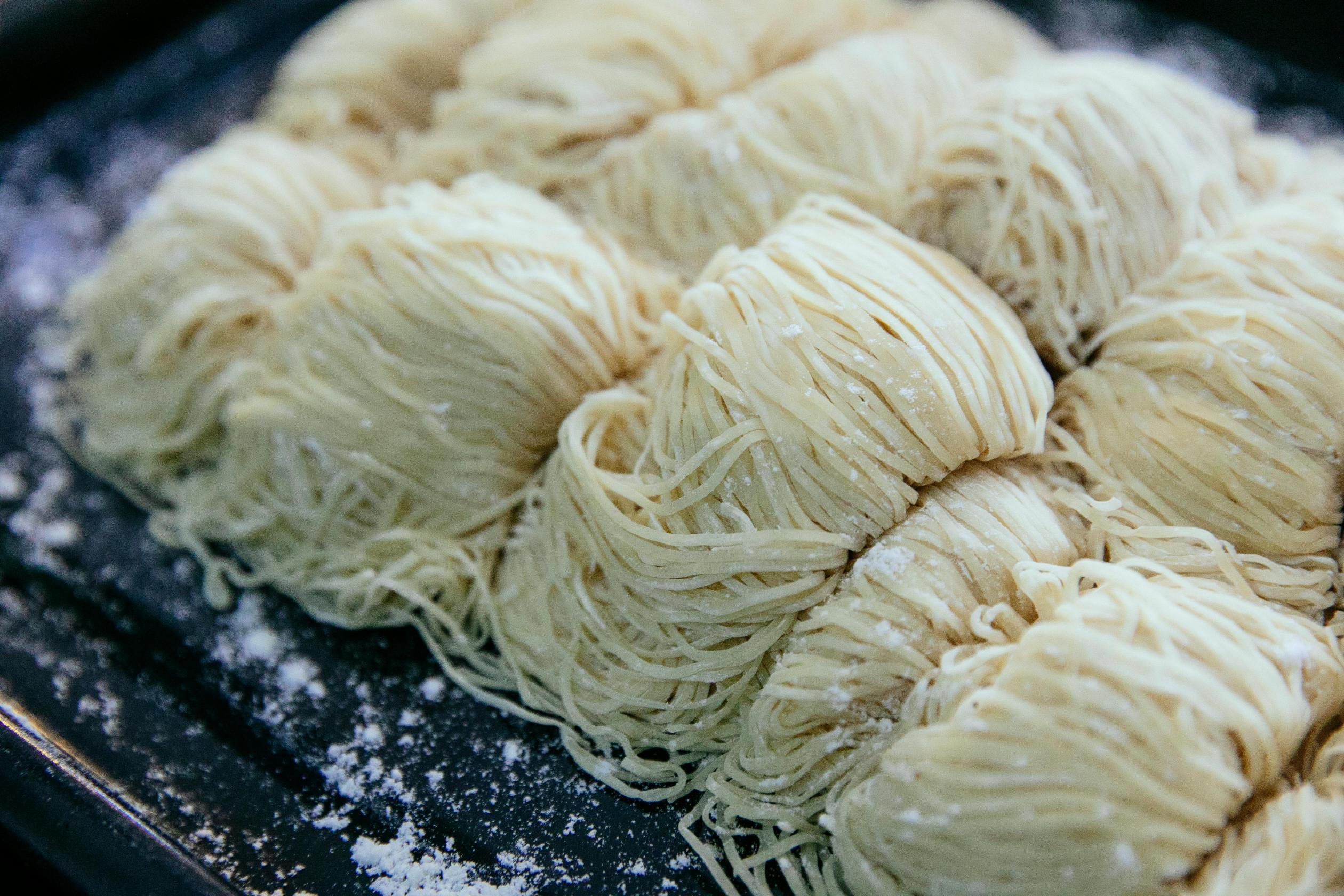
Fresh pasta comes in various forms, each requiring slightly different storage methods:
- Egg Pasta: Soft, tender, and often used for fettuccine, tagliatelle, or lasagna.
- Semolina Pasta: Firmer texture, often used for pappardelle and linguine.
- Stuffed Pasta: Ravioli, tortellini, or other filled varieties require extra care because the fillings spoil faster.
- Gluten-Free Pasta: Made from rice, corn, or legumes, these types can be more fragile and require careful freezing.
The type of pasta affects storage, so it’s important to adapt your method accordingly.
Short-Term Storage: Refrigeration
Refrigeration is ideal when you plan to eat your pasta within a few days. To maximize freshness:
- Dust with Flour: Lightly coat the pasta to prevent sticking.
- Use Airtight Containers: Store in sealed containers or resealable plastic bags.
- Separate Layers: Place parchment or wax paper between layers to prevent clumping.
- Maintain Proper Temperature: Keep pasta at 34–40°F (1–4°C) in the fridge.
Tip: Most fresh pasta lasts 2–3 days in the refrigerator. Stuffed varieties should be consumed within 24 hours. Always check for signs of spoilage like off smells or discoloration.
Long-Term Storage: Freezing Fresh Pasta
Freezing is the best method for storing fresh pasta long-term without sacrificing texture or taste. Here’s how to do it correctly:
- Flash Freeze: Lay pasta in a single layer on a baking sheet and freeze for 30–60 minutes to prevent sticking.
- Transfer to Freezer Bags: Once frozen, move the pasta to airtight freezer bags or containers.
- Label and Date: Always note the freezing date to track freshness.
- Storage Duration: Most fresh pasta lasts 2–3 months frozen. Stuffed pasta can last 1 month.
Tip: Cook pasta directly from frozen to maintain texture. Avoid thawing as it can cause the pasta to become mushy or fall apart.
Freezing Tips for Stuffed Pasta
Stuffed pasta, like ravioli or tortellini, is particularly sensitive because of the fillings:
- Flash Freeze Separately: Freeze each piece individually before storing in bags.
- Use Parchment Paper: Place between layers to prevent sticking.
- Cook from Frozen: Boil directly without thawing.
This method preserves both the pasta and its filling.
Homemade vs. Store-Bought Fresh Pasta
Homemade pasta is often more delicate than store-bought pasta, which may contain preservatives:
- Homemade: Best consumed within 2–3 days refrigerated or up to 3 months frozen.
- Store-Bought: Check packaging for manufacturer recommendations; vacuum-sealed pasta can last longer.
Regardless of type, always inspect pasta for signs of spoilage before cooking.
Storing Different Pasta Shapes
Different pasta shapes have different storage needs:
- Long Pasta (Spaghetti, Fettuccine): Roll into loose nests to save space and prevent tangling.
- Short Pasta (Penne, Farfalle): Layer with parchment paper in containers to prevent sticking.
- Filled Pasta: Keep separate pieces from touching; freeze individually before bagging.
By considering shape, you can avoid clumping and preserve quality.
Storing Pasta Sauce
The perfect pasta meal isn’t complete without sauce, so proper sauce storage is crucial:
- Refrigerate: Store in airtight containers for up to 5 days.
- Freeze: Tomato-based or cream sauces can last 2–3 months in the freezer.
- Keep Separate: Only mix pasta with sauce when ready to serve to avoid sogginess.
This ensures your pasta and sauce stay fresh and flavorful.
Reheating and Cooking Stored Pasta
Proper reheating preserves texture and taste:
- Boiling: Reheat refrigerated pasta for 1–2 minutes; frozen pasta 3–5 minutes.
- Sautéing: Toss cooked pasta in a skillet with olive oil or sauce.
- Microwaving: Only for short reheating, avoid overcooking.
Taste-test to ensure the pasta retains the intended texture.
Travel and Transportation Tips
If you need to bring fresh pasta to an event:
- Use insulated containers or coolers with ice packs.
- Keep pasta and sauce separate until ready to serve.
- Do not leave pasta at room temperature for more than 2 hours.
These tips help maintain food safety and quality during transport.
Nutritional Considerations
When storing fresh pasta, think about nutrition too. Pasta is an excellent source of carbohydrates and energy. To make meals healthier:
- Pair with vegetables, lean proteins, and healthy fats.
- Choose whole-grain or legume-based pasta to increase fiber and protein.
- Portion appropriately to avoid overeating.
Tip: For those asking “is pasta healthy?”, it depends on the type of pasta and what you pair it with. Whole grain or legume pasta is more nutritious than traditional white pasta.
Common Mistakes to Avoid
To get the most out of your stored pasta, avoid these mistakes:
- Overcrowding Containers: Leads to clumping and uneven freezing.
- Skipping Flour Coating: Causes sticking and tearing.
- Leaving at Room Temperature: Risk of bacterial growth, especially with eggs.
- Thawing Before Cooking: Makes pasta mushy or breaks delicate shapes.
Correct handling ensures safety and preserves quality.
Tips for Extending Fresh Pasta Shelf Life
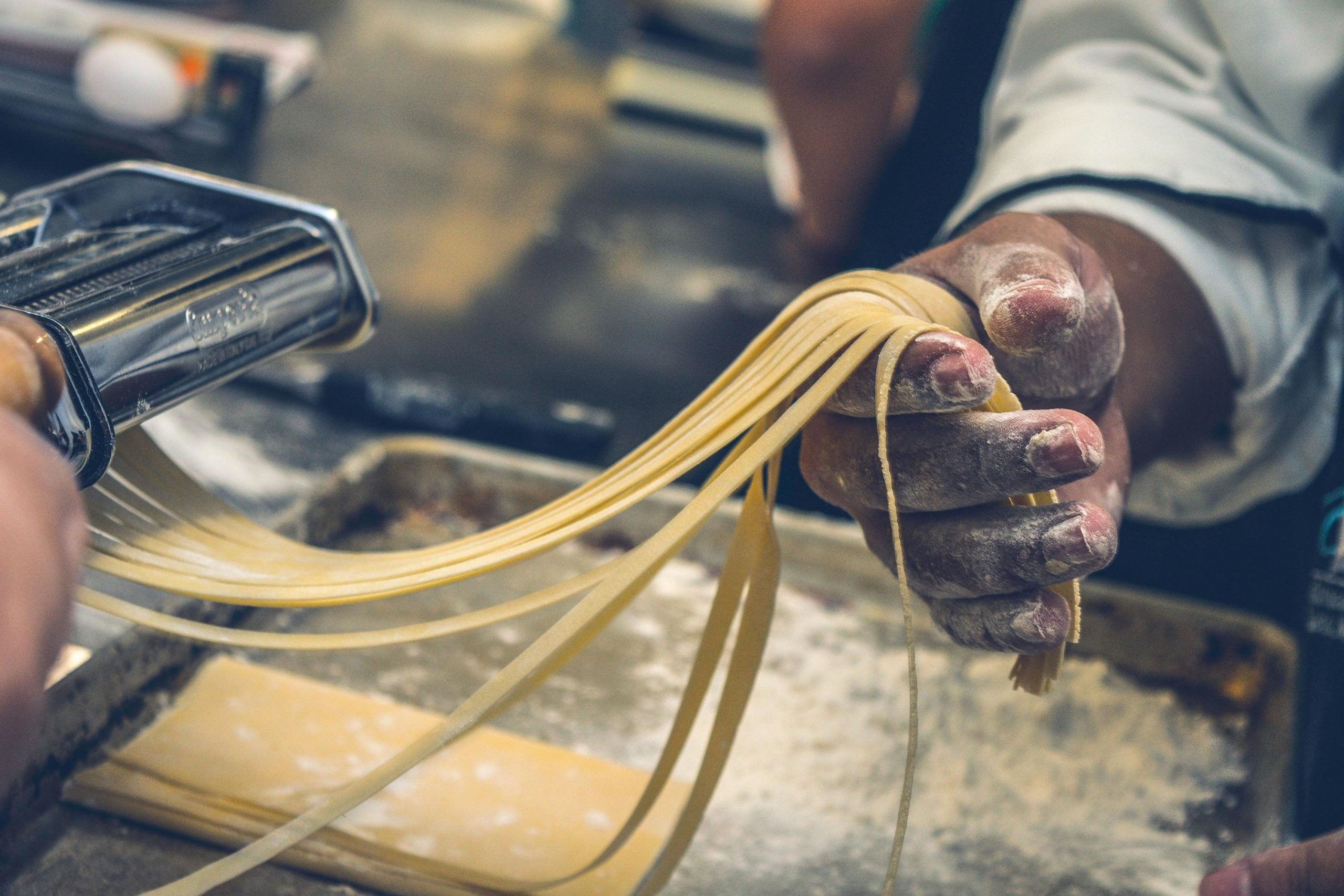
Proper storage can significantly prolong the freshness and quality of your pasta, whether homemade or store-bought. Beyond basic refrigeration, there are several strategies to maximize shelf life:
- Use Vacuum-Sealed Bags: Removing air from storage bags reduces exposure to oxygen and moisture, which slows down spoilage and prevents freezer burn. Vacuum sealing is especially effective for long-term freezing.
- Label Everything: Clearly mark each package with the type of pasta and the date it was made or frozen. This makes it easy to rotate your stock and ensures you use older pasta first.
- Divide Into Portions: Split fresh pasta into meal-sized portions before storing. This prevents repeatedly exposing the entire batch to air and makes cooking convenient.
- Use Freezer-Safe Containers: Choose sturdy, airtight containers specifically designed for freezing. Avoid thin plastics that can crack or allow moisture to seep in, which can compromise texture and flavor.
- Avoid Excess Moisture: Pat dry pasta before storing to prevent sogginess. Excess water can accelerate bacterial growth and reduce shelf life.
- Freeze Quickly: Rapid freezing helps maintain the pasta’s texture and prevents clumping. Lay portions flat on a tray before transferring to containers or bags.
By following these techniques, you’ll not only maintain the taste and texture of your fresh pasta but also reduce waste, save money, and ensure you always have high-quality pasta ready to cook.
Creative Storage Solutions
For small kitchens or limited fridge/freezer space:
- Hanging Pasta Racks: Ideal for long strands like fettuccine or tagliatelle.
- Muffin Trays: Can hold small nests of pasta individually for freezing.
- Glass Jars: Short pasta shapes like penne or farfalle can be layered for fridge storage.
These solutions make organizing fresh pasta easy and efficient.
Final Thoughts
Properly storing fresh pasta is key to maintaining its taste, texture, and safety. Whether you are working with plain, filled, or shaped pasta, following correct refrigeration or freezing methods ensures you can enjoy high-quality pasta at home anytime. For best results, refrigerate fresh pasta for 2–3 days or freeze it for 2–3 months. When freezing stuffed pasta, flash-freeze each piece individually to prevent sticking, and always store sauces separately until ready to serve. Pairing pasta with nutritious ingredients creates balanced meals, while avoiding common mistakes—such as thawing before cooking or leaving pasta at room temperature—helps maintain quality and safety. By following these guidelines, fresh pasta becomes not only convenient but also delicious, allowing you to enjoy every meal with confidence and ease.