
Pasta is one of the most popular foods worldwide. From spaghetti to penne, it’s versatile, affordable, and a staple in many households. But the question many people ask is: is pasta healthy? The answer isn’t simple—it depends on portion size, type of pasta, and what you eat it with. In this article, we’ll explore the nutritional profile of pasta, its health benefits, potential drawbacks, and tips to make it part of a balanced diet.
Pasta Nutrition
Pasta is primarily made from wheat, which provides carbohydrates, protein, and some fiber. Let’s break down the nutritional content:
- Carbohydrates: Pasta is a rich source of complex carbs, which are essential for energy. One cup of cooked pasta contains around 40–45 grams of carbs.
- Protein: Pasta has moderate protein content—about 7–8 grams per cup. Combining pasta with cheese, meat, or legumes can improve protein intake.
- Fiber: Traditional refined pasta has limited fiber, but whole grain pasta offers 5–7 grams per serving, supporting digestion and satiety.
- Vitamins & Minerals: Pasta contains iron, folate, and some B vitamins. Whole grain pasta adds magnesium, zinc, and selenium.
Health Benefits of Pasta
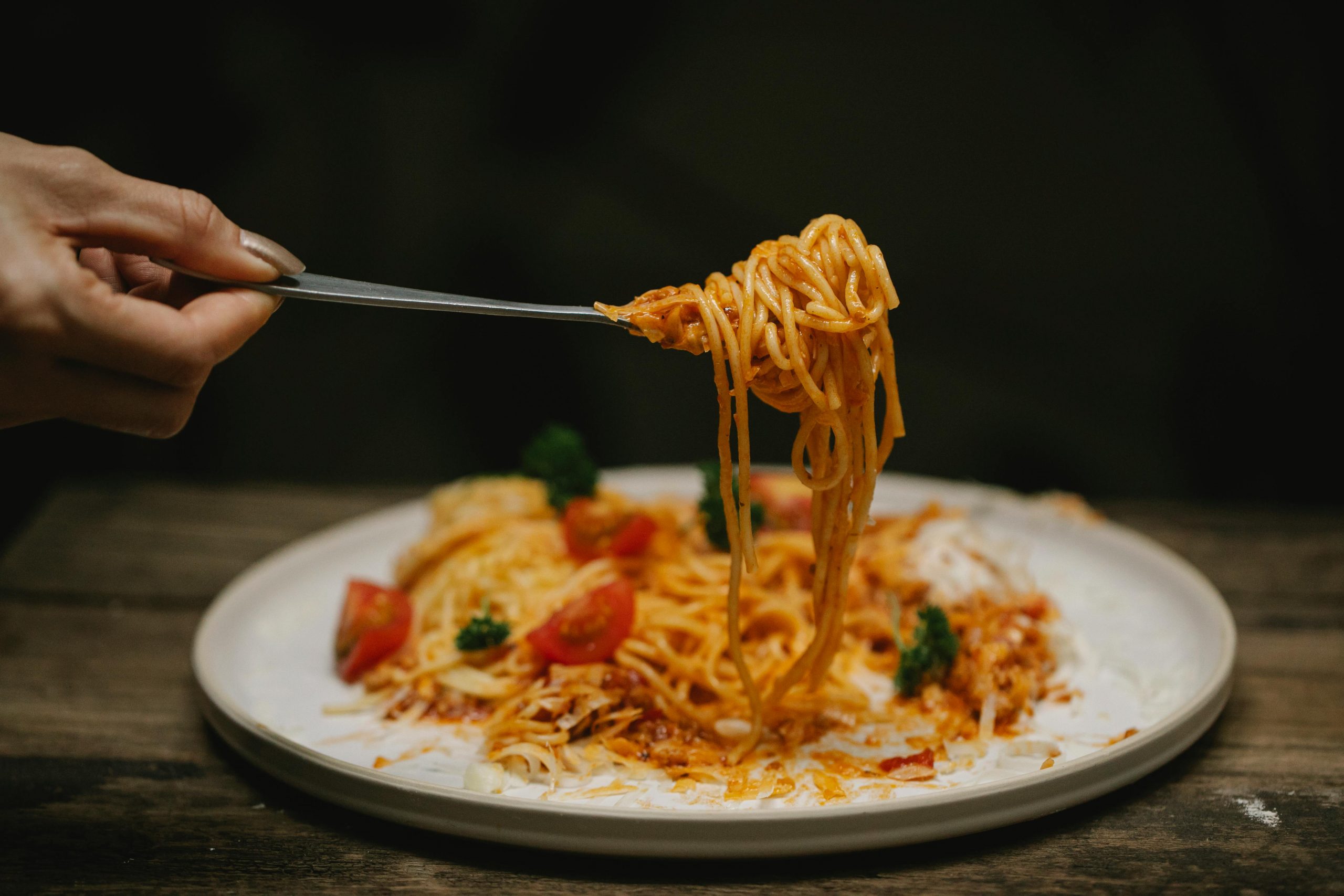
When eaten in moderation and as part of a balanced diet, pasta can provide several health benefits:
1. Provides Long-Lasting Energy
- Complex carbohydrates are digested slowly, providing steady energy.
- Whole grain pasta has a lower glycemic index than white pasta, preventing spikes in blood sugar.
2. Supports Heart Health
- Whole grain pasta contains fiber, which helps lower cholesterol levels.
- Pairing pasta with heart-healthy ingredients like olive oil, vegetables, and lean proteins enhances cardiovascular benefits.
3. Promotes Digestive Health
- Fiber in whole grain pasta promotes regular bowel movements.
- Fermentable fiber can support healthy gut bacteria.
4. Weight Management
- Portion-controlled pasta meals with vegetables and lean protein can help with satiety.
- Whole grain options keep you full longer, reducing overall calorie intake.
5. Nutrient-Rich Meals
- Adding vegetables, beans, or lean meat turns pasta into a nutrient-dense meal.
- Toppings like tomato sauce, olive oil, and herbs provide antioxidants and healthy fats.
Considerations and Potential Downsides of Pasta
While pasta offers many nutritional benefits, it’s important to be aware of potential drawbacks, especially if consumed improperly or in large amounts. Being mindful can help you enjoy pasta without negative health effects.
- High Calorie Content: Pasta itself isn’t extremely high in calories, but portion sizes and toppings often are. Creamy sauces, large amounts of cheese, and added oils can quickly increase calorie intake, contributing to weight gain if meals aren’t balanced.
- Refined vs. Whole Grain: Traditional white pasta is made from refined flour, which has lower fiber and nutrients compared to whole grain options. Refined pasta can cause blood sugar spikes, particularly for people with insulin resistance or diabetes. Choosing whole grain, legume-based, or vegetable-enriched pasta can help maintain steady energy levels.
- Risk of Overeating: Pasta is easy to overconsume because it’s filling but not highly satiating if eaten alone. Large portions can lead to excess calorie intake over time. Mindful portion control and pairing pasta with protein and vegetables can reduce this risk.
- Gluten Sensitivity or Celiac Disease: Individuals with gluten intolerance or celiac disease must opt for gluten-free pasta alternatives made from rice, corn, quinoa, or legumes to prevent digestive issues and autoimmune reactions.
By keeping these considerations in mind, pasta can remain a healthy, enjoyable part of your diet without compromising long-term wellness.
Choosing the Healthiest Pasta
Not all pasta is created equal, and selecting the right type can make a big difference for overall health. Here’s a guide to the healthiest pasta options and what makes them beneficial:
- Whole Grain Pasta
- Made from whole wheat flour, which retains the bran and germ.
- Higher in fiber: Supports digestion, keeps you full longer, and helps regulate blood sugar.
- Rich in vitamins and minerals: Contains B vitamins, iron, and magnesium.
- Lower glycemic index: Helps prevent rapid spikes in blood sugar compared to refined pasta.
- Best paired with lean proteins and vegetables for a balanced meal.
- Legume-Based Pasta
- Made from chickpeas, lentils, black beans, or other legumes.
- High in protein: Supports muscle growth and satiety.
- Rich in fiber: Promotes digestive health and helps maintain steady energy levels.
- Gluten-free: Ideal for people with celiac disease or gluten intolerance.
- Works well with tomato-based sauces or light olive oil dressings.
- Vegetable-Enriched Pasta
- Includes spinach, beet, carrot, or other vegetable powders mixed into the dough.
- Adds color and flavor: Makes meals more visually appealing.
- Boosts micronutrients and fiber: Provides additional vitamins, antioxidants, and digestive support.
- Great for kids or picky eaters who need extra vegetables in their diet.
- Traditional White Pasta
- Made from refined wheat flour.
- Good source of energy: Provides carbohydrates for daily fuel.
- Best eaten in moderation: Pair with nutrient-dense ingredients like vegetables, lean protein, or healthy fats to balance meals.
- Can be suitable for occasional indulgence or simple, quick meals.
By understanding the differences between these pasta types, you can make smarter choices that suit your dietary needs, health goals, and taste preferences.
Portion Control Matters
Even healthy pasta can contribute to excess calories if portions are too large. Nutrition experts recommend:
- Standard Serving Size: About 1 cup of cooked pasta (approximately 2 ounces dry)
- Balanced Plate: Half plate vegetables, one-quarter protein, one-quarter pasta
- Mindful Eating: Avoid mindless eating straight from the pot or package
How to Make Pasta Meals Healthier
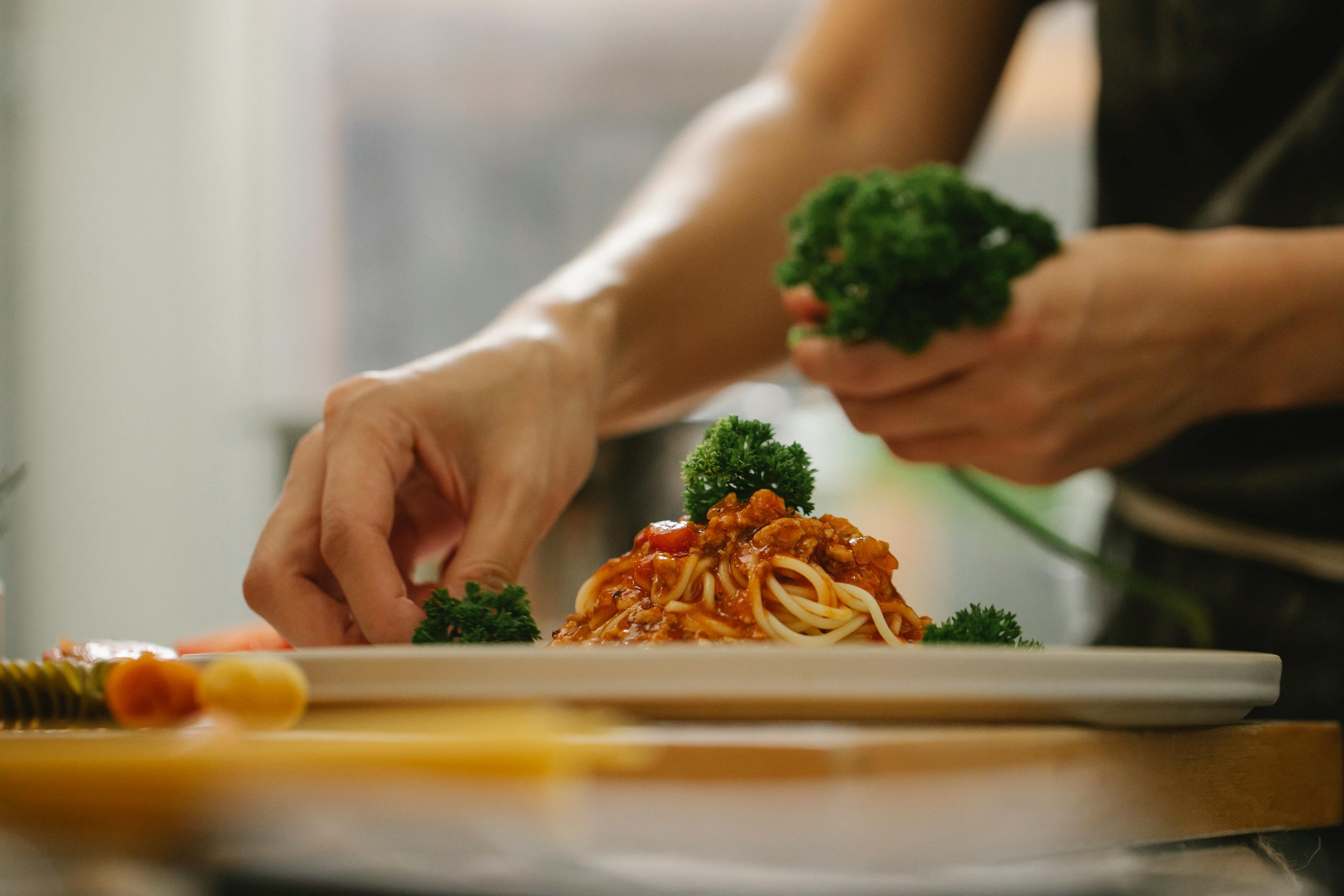
Even when using whole grain or legume-based pasta, the overall healthiness of a pasta meal depends on the ingredients and preparation methods. Small adjustments can make a big difference in nutritional value without sacrificing flavor.
- Load Up on Vegetables: Adding a variety of colorful vegetables increases fiber, vitamins, and antioxidants. Great options include:
- Bell peppers
- Spinach
- Zucchini
- Tomatoes
- Broccoli or mushrooms for extra texture and nutrients
- Add Lean Protein: Protein keeps you full longer and supports muscle health. Consider:
- Chicken or turkey breast
- Fish like salmon or tuna
- Plant-based options like tofu, tempeh, or beans
- Choose Healthy Sauces: The sauce can make or break a pasta dish. Opt for lighter, nutrient-rich options:
- Tomato-based sauces with herbs and spices
- Olive oil with garlic and fresh herbs
- Pesto made with nuts and minimal cheese
- Limit Cheese and Cream: Heavy cream sauces and large amounts of cheese add saturated fat and calories. Use:
- Small amounts of parmesan or pecorino
- Light cream sauces or yogurt-based alternatives
- Watch Sodium Levels: Pre-made sauces and packaged ingredients can be high in sodium. Reduce salt intake by:
- Making sauces from scratch
- Using fresh herbs, spices, and citrus for flavor
By following these tips, you can create pasta meals that are satisfying, flavorful, and much healthier. Combining the right pasta type with nutrient-dense ingredients ensures balanced meals that support overall health and well-being.
Pasta in Special Diets
- Gluten-Free Diet
- Gluten-free pasta is made from rice, corn, quinoa, or legumes
- Perfect for people with celiac disease or gluten sensitivity
- Low-Carb Diets
- Shirataki or zucchini noodles are low in calories and carbs
- Useful for people limiting carbohydrates for weight management or blood sugar control
- Vegan or Plant-Based Diets
- Combine whole grain pasta with legumes and vegetables
- Ensure adequate protein by adding tofu, tempeh, or edamame
Combining Pasta With Other Foods
The nutritional value of a pasta meal depends not just on the pasta itself, but also on the ingredients you pair it with. Thoughtful combinations can turn a simple pasta dish into a balanced and nutrient-rich meal.
- Vegetables: Adding vegetables increases fiber, vitamins, and antioxidants, which support digestion and overall health. Consider:
- Leafy greens like spinach or kale
- Bell peppers, zucchini, or broccoli
- Cherry tomatoes or roasted carrots for color and flavor
- Proteins: Including a protein source boosts satiety, helps maintain muscle mass, and balances blood sugar. Good options include:
- Lean meats like chicken or turkey
- Fish such as salmon or tuna
- Plant-based proteins like beans, lentils, or eggs
- Healthy Fats: Fats support heart health, brain function, and nutrient absorption. Healthy additions include:
- Olive oil drizzled over the pasta
- Nuts like pine nuts or almonds
- Avocado slices or avocado-based sauces
- Herbs & Spices: Fresh or dried herbs enhance flavor without adding extra calories or sodium. Try:
- Basil, parsley, or cilantro
- Oregano, thyme, or rosemary
- Crushed red pepper for a mild kick
By combining pasta with nutrient-rich vegetables, lean proteins, and healthy fats, you can create meals that are satisfying, flavorful, and beneficial for your overall health.
Pasta in a Balanced Lifestyle
Pasta can absolutely be part of a healthy diet:
- Moderate portion sizes
- Choose whole grain or alternative pasta types
- Pair with vegetables, lean proteins, and healthy fats
- Avoid heavy cream sauces and excessive cheese
With this approach, pasta can fit into weight management, heart-healthy, and general wellness diets.
Conclusion
So, is pasta healthy? The answer is yes—when eaten in moderation and combined with nutrient-rich ingredients. Whole grain, legume-based, or vegetable-enriched pasta offers fiber, protein, and essential nutrients, while refined pasta should be eaten occasionally. Portion control, healthy sauces, and balanced toppings are key. By following these strategies, pasta can be both delicious and part of a healthy, well-rounded diet.
Remember, the next time you enjoy a plate of spaghetti or penne, you’re not only satisfying your appetite but also fueling your body—just choose wisely and eat mindfully.